(2026) Expat Health Insurance in Nepal: How to Protect Your Family?
Moving to Nepal? Navigate the healthcare system from public clinics to private facilities and secure essential international health insurance for your family. Get expert advice, FREE Quotes, and compare plans.
Reviewed by a licensed advisor
Introduction
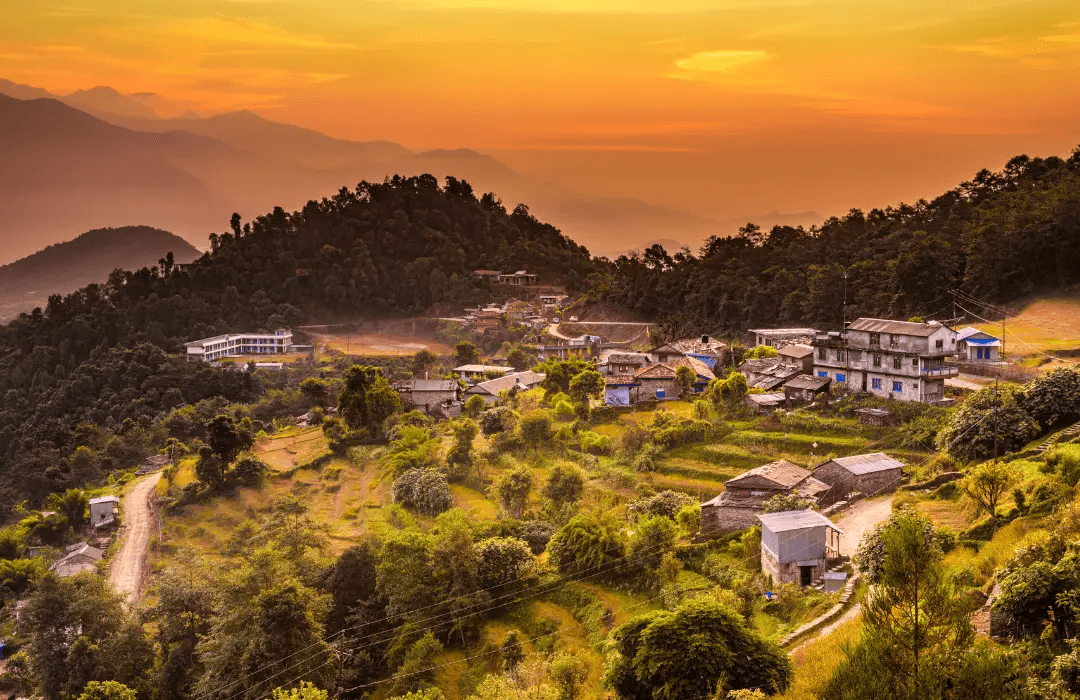
The decision to move your family to Nepal is an step into a world of breathtaking Himalayan landscapes and rich cultural traditions. However, amidst the excitement of this adventure, understanding and navigating the local healthcare system is a crucial task for expatriates. Ensuring access to reliable medical care is fundamental to your family's safety and peace of mind.
Nepal's healthcare system is a stark contrast between basic public services and a growing private sector in urban centers. While public facilities provide essential care, they are often under-resourced. For expat families, this means that accessing consistent, high-standard medical care requires careful planning and a reliable safety net.
As a trusted expert in expat health insurance in Asia, Alea is here to guide you. For families in Nepal, a comprehensive international health insurance plan is the most effective way to ensure access to the best private care and provide a crucial lifeline for medical evacuation, which may be necessary for serious conditions.
Understanding the Healthcare System in Nepal
Nepal's healthcare system is tiered, with significant disparities between urban and rural areas, and between public and private providers.
Public Hospitals & Health Posts: These range from central hospitals in Kathmandu to small health posts in rural villages. They provide low-cost care but are often plagued by overcrowding, limited resources, and shortages of equipment and specialized staff. The standard of care is generally not suitable for expatriates.
Private Hospitals & Clinics: Concentrated in Kathmandu (e.g., CIWEC, Norvic, Grande) and Pokhara, these facilities offer a much higher standard of care, with better equipment, English-speaking doctors, and more hygienic conditions. However, costs are significantly higher and can be prohibitive for complex treatments.
Challenges for Expats in Nepal:
Low quality of care and long waiting times in public facilities.
Limited healthcare options outside of the Kathmandu Valley and Pokhara.
Frequent need for medical evacuation to India (Delhi, Vellore) or Thailand for specialized treatments.
High out-of-pocket costs for quality private care and especially for medical evacuation.
Benefits of Private & International Clinics:
Higher standards of medical care, hygiene, and technology.
English-speaking doctors and administrative staff.
More efficient service and shorter waiting times.
Ability to handle a broader range of medical issues before evacuation is needed.
💡 Did you know? Treatment for a serious condition like a complex fracture in a leading private hospital in Kathmandu can cost thousands of Euros. Without comprehensive insurance, a medical emergency requiring evacuation to Thailand could result in bills exceeding €30,000 or more.
Why Do You Need Health Insurance for Your Family in Nepal?
Relying on Nepal's public healthcare is not a viable option for most expats, and paying for private care out-of-pocket is financially risky. For your family, a robust health insurance plan is a critical layer of protection. It should comprehensively cover:
Pediatric Consultations & Vaccinations: Regular check-ups and a complete vaccination schedule are crucial. Ensure your plan covers these, as schedules may differ from your home country's.
Dental & Vision Care: Include coverage for routine dental work, orthodontics for children, and vision tests.
Hospitalization & Emergencies: Full coverage for inpatient care, surgery, ambulance services, and emergency room visits is non-negotiable.
Maternity & Childbirth: This is a vital inclusion for family planning, covering prenatal, delivery, and postnatal care, often requiring travel to a major private facility or abroad.
How to Choose the Best Health Insurance for Your Family in Nepal?
When selecting coverage for your family in Nepal, you are typically faced with two choices:
Local Health Insurance: Local policies are available but are often very limited in scope. They may have low coverage caps, may not include medical evacuation (a critical need), and their networks are usually restricted to Nepal. They are not designed for the high costs of international-standard care or treatment abroad.
International Health Insurance: This is the unequivocal recommendation for expatriates. These plans provide comprehensive worldwide coverage, ensuring your family has access to the best private hospitals in Nepal and, crucially, to facilities in medical evacuation hubs like India and Thailand. They offer robust support and direct billing, protecting you from financial shock.
How Much Does Health Insurance Cost in Nepal??
The cost of an international health insurance plan for a family in Nepal depends on several factors:
Ages of family members.
Overall health and medical history.
Level of coverage (e.g., including maternity, dental, or full medical evacuation).
Deductible and co-payment options you select.
For a family of two adults and two children, a comprehensive international health insurance plan in Nepal can range from €3,500 to €8,000 per year.
Our Recommendations for Optimal Protection
Insure Your Family Before You Move: Ensure your coverage is active from day one. Do not arrive without proof of insurance.
Prioritize a Plan with a Strong Local Network and Evacuation: Choose a plan with direct billing at the leading private hospitals in Kathmandu and explicit, comprehensive medical evacuation coverage.
Scrutinize the Fine Print: Pay close attention to coverage limits for specific treatments, exclusions for pre-existing conditions, and the precise terms and logistical support for medical evacuation.
Plan for Your Family's Future: If you plan to have more children, select a policy with robust maternity cover well in advance due to standard waiting periods.
Navigating the healthcare environment in Nepal, where the best care is found in the private sector and evacuation is a real possibility, makes a robust international health insurance plan indispensable for your family. Alea stands as your leading broker for expatriates in Asia, dedicated to simplifying this critical decision.
We partner directly with the world's top-tier international insurers, such as Cigna, Bupa, and Allianz, to find you a plan that provides true peace of mind and comprehensive protection.
Contact Alea today for a free, no-obligation comparison of international health insurance plans tailored for your family's safety and well-being in Nepal.

Written by
Amelie Dionne-Charest
Co-Founder & CEO


Need some help?
We’re here to provide support and assistance.