(2026) Children's Health in Nepal: The Complete Guide for Expatriate Families
Expat pediatric care in Nepal relies on private hospitals like Nepal Mediciti and HAMS in Kathmandu to avoid public overcrowding. Although basic consultation fees appear low, diagnostic over-prescription, high private NICU costs, winter air pollution risks, and the need for medical evacuation to Bangkok or Delhi (€25,000–€45,000) make international health insurance essential for families.
Reviewed by a licensed advisor
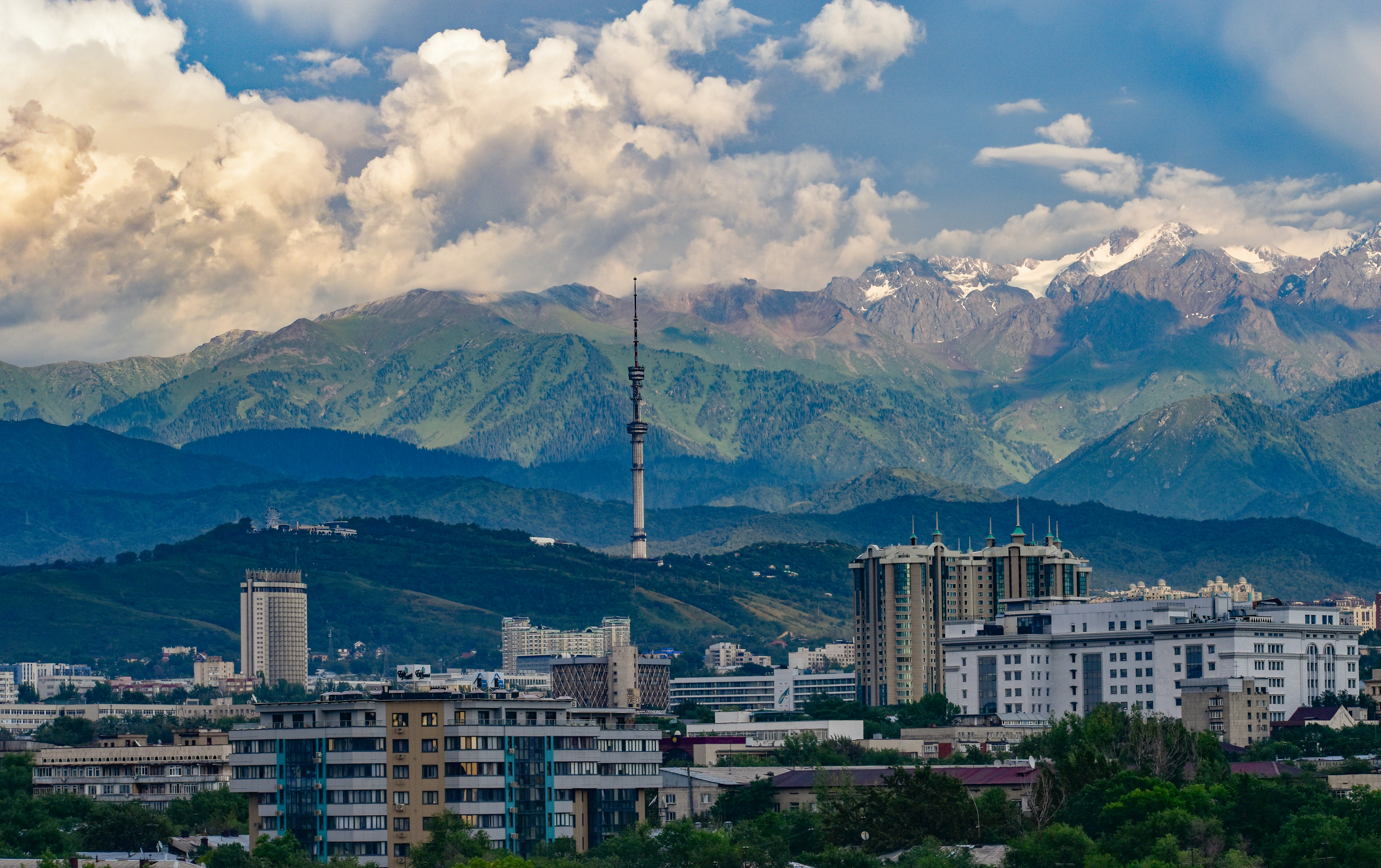
Expatriating to Nepal whether in the bustling heart of Kathmandu or the serene landscapes of Pokhara offers a total change of scenery but requires rigorous management of children's health. In 2026, despite the modernization of private infrastructure, the healthcare system remains characterized by a sharp disparity between the public sector and "Premium" private care.
As experts in medical monitoring for expatriates, we decode the reality on the ground in Nepal as of February/March 2026.
1. Understanding the Nepalese Healthcare System in 2026
Nepal relies on a two-tier system where language barriers and varying technical standards almost systematically direct expatriates toward the capital's private sector.
The Public Sector: Facilities such as Kanti Children’s Hospital are the pillars of national pediatrics. However, high patient volumes and sometimes aging equipment lead international families to prefer private structures for routine and scheduled care.
The Private Sector (Tertiary): Hospitals like Nepal Mediciti, Grande International Hospital, or HAMS offer international standards. They feature specialized neonatal (NICU) and pediatric departments staffed by foreign-trained doctors (India, USA, Europe).
Cost Verification and Comparison Table (Nepal 2026)
Data Category | Real Value in Nepal (2026) |
Pediatric Consultation | 800 – 1,500 NPR (€5 – €9) |
Vaccine (per dose) | 2,500 – 8,000 NPR (€15 – €47) |
Hospitalization / day | 6,000 – 15,000 NPR (€35 – €90) |
Emergency (Night/Weekend) | 3,000 – 6,500 NPR (€18 – €38) |
Export to Sheets
References:
Analyst's Note: While face-value rates in Nepal appear low compared to regions like Kazakhstan, they often mask a high frequency of diagnostic tests and technical procedures that significantly inflate the final bill.
2. Vaccinations: Key Changes as of January 1, 2026
Nepal has strengthened its National Immunization Programme (NIP). Since 2025, the schedule systematically includes the Rotavirus and HPV vaccines (for young girls), alongside standard childhood immunizations.
Mandatory Schedule: BCG, Polio (OPV/fIPV), and PCV (Pneumococcal) are provided free of charge at government health centers.
Expat Specifics: Private clinics offer combined vaccines (such as Hexaxim) which tend to have fewer side effects. Typhoid vaccination is crucial here (highly endemic), as is Hepatitis A.
2026 Update: Increased vigilance is required regarding Japanese Encephalitis, particularly if you reside in or travel to the Terai region or during the monsoon season.
3. Specific Health Challenges in Nepal
Air Pollution in Kathmandu
Unlike the Central Asian steppes, Nepal (especially the Kathmandu Valley) faces some of the highest fine particulate matter (PM2.5) levels in South Asia during winter.
Impact: A 30% increase in pediatric admissions for acute respiratory infections between November and February.
Expert Advice: Investing in N95 masks for children during pollution peaks and installing air purifiers in bedrooms are top-tier health priorities.
[Image Placeholder: Impact of PM2.5 particles on children's respiratory systems]
Water and Food-Borne Risks
Nepal presents a significantly higher risk of waterborne diseases (Giardiasis, Typhoid) compared to Central Asia. While drug traceability is improving, purchasing medication from street pharmacies remains risky. Always prioritize in-house pharmacies at major hospitals (Mediciti, HAMS).
4. Real Costs in Nepal
Our fact-checking department highlights a phenomenon of "diagnostic over-prescription" in Nepal, which differs from models seen elsewhere:
Package vs. Individual Units: Hospitals like Mediciti promote "Paediatric Packages" (Standard/Advance). While the entry price is attractive, any pathology falling outside the scope of the check-up leads to rapid fee-for-service billing.
The Invisible NICU Gap: In the event of premature birth or neonatal complications, costs skyrocket. While the government subsidizes approximately 8,000 NPR per day, the actual cost of Neonatal Intensive Care (NICU) in private facilities often exceeds 45,000 NPR (€330) per day, excluding specialist fees.
The Indirect "Expat Tax": Although official rates are the same for all, expatriates are typically steered toward "Deluxe Single Cabins" (6,000 to 10,000 NPR/day) rather than "General Wards," increasing accommodation costs fivefold.
Conclusion: Why Specific Insurance is Vital in Nepal
While basic care is affordable, Nepal remains a country with complex medical risks. In the event of a serious accident or a pathology requiring advanced pediatric surgery, local capacities can be quickly overwhelmed.
The true cost is not the consultation, but the evacuation. A medical evacuation (MEDEVAC) to Bangkok or Delhi for severe respiratory distress or head trauma can cost between €25,000 and €45,000. International insurance that includes medical assistance/repatriation and covers actual costs in private clinics is therefore the only safeguard against sudden financial instability.
Are public pediatric hospitals recommended for expat families in Nepal?
Generally, no. While public facilities like Kanti Children’s Hospital provide core pediatric services, high patient volumes and language barriers lead most international families to choose private hospitals.
Which additional vaccines should expat children receive in Nepal?
Beyond routine vaccines, children should receive immunizations for Typhoid, Hepatitis A, and Japanese Encephalitis (especially for visits to the Terai region or during monsoon season).
How does winter air pollution affect children in Kathmandu?
High PM2.5 pollution levels during winter trigger a 30% increase in pediatric admissions for acute respiratory infections, making air purifiers and protective N95 masks essential.
Why is medical evacuation coverage necessary for expat children in Nepal?
Local facilities can be quickly overwhelmed by severe trauma or complex pediatric conditions, requiring air evacuation to regional medical hubs like Delhi or Bangkok, which can cost between €25,000 and €45,000.

Written by
Fanny Daurel
Health Insurance & Employee Benefits Advisor


Need some help?
We’re here to provide support and assistance.