Breast Self-Exam: A Quick Guide to Early Detection and Awareness
Learn how to perform a breast self-exam with our quick guide. Discover essential steps, benefits, and tips for early detection of breast changes. Stay informed and empowered in your breast health journey.
Reviewed by a licensed advisor
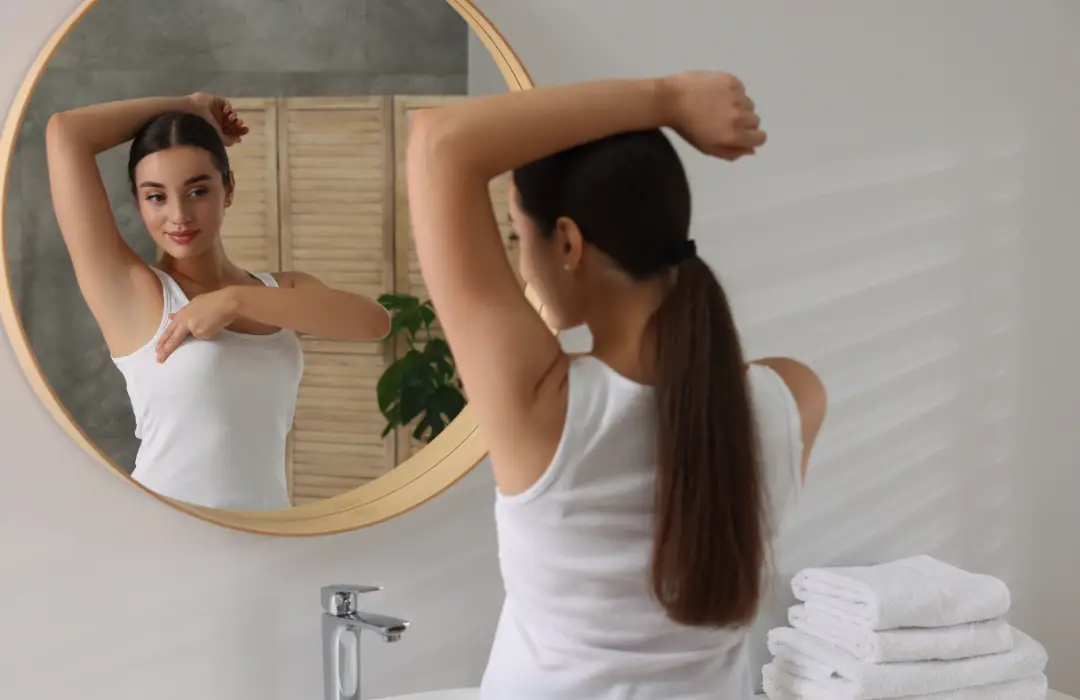
Breast self-examination (BSE) helps women become familiar with their breasts and notice any changes. While not a replacement for clinical exams or mammograms, it can be a useful tool for early detection.
Importance of Breast Awareness
Being "breast aware" means knowing how your breasts typically look and feel so you can promptly report any changes to your healthcare provider. Key changes to watch for include:
A new lump or thickening in the breast or armpit
Changes in the size, shape, or contour of the breast
Skin changes, such as dimpling, puckering, redness, or scaling
Nipple changes, such as inversion or discharge
Unusual pain in the breast
How to Perform a Breast Self-Exam
1. Visual Inspection:
Stand in front of a mirror with your arms at your sides, then raised, and finally with hands on hips. Look for any irregularities.

2. Palpation:
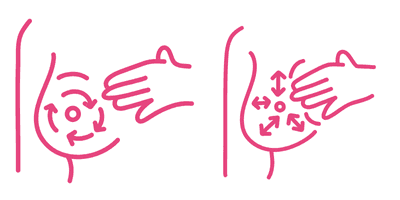
Use the pads of your fingers: Use the pads of your three middle fingers to examine your breasts
Use a circular motion: Gently press down using small, circular motions, covering the entire breast from the collarbone to the top of the abdomen and from the armpit to the cleavage.
Vary the pressure: Use light, medium, and firm pressure to feel all the tissue layers.
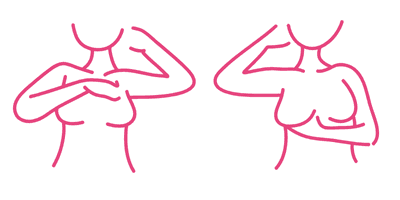
3. Nipple Examination:
Gently squeeze each nipple and check for any unusual discharge.
Read more: How to check your breasts or chest - NHS
When to Perform a BSE
If you menstruate: Do it 3 to 5 days after your period.
If you don’t menstruate: Choose a specific day each month.
Read more: Breast self-exam: MedlinePlus Medical Encyclopedia
Benefits and Limitations
Benefits:
Increased breast awareness: BSEs can help you become more familiar with your breasts, making it easier to notice changes.
Early detection: Although controversial, some believe BSEs can help detect breast cancer early, when it is more treatable.
Empowerment: Performing BSEs can empower you to take an active role in your health.
Limitations:
Not a replacement for professional screenings: BSEs should not replace regular clinical breast exams and mammograms.
May cause anxiety: Finding a lump can cause anxiety, even if it turns out to be benign.
May lead to unnecessary biopsies: BSEs can sometimes lead to unnecessary biopsies.
May not detect all cancers: BSEs may not detect all breast cancers, especially those that are deep within the tissue.
Read more: Self-Breast Exams: At Home or Clinic? - NFCR Breast Cancer Awareness
Recommendations from Health Organizations
WHO: Promotes breast awareness and early diagnosis.
National Breast Cancer Foundation (NBCF): Encourages breast self-awareness.
NHS: Advises being familiar with your breasts and reporting changes.
Conclusion
Being breast aware is essential. If you choose to perform BSEs, do so regularly and in conjunction with professional breast cancer screenings. Report any changes or abnormalities to your healthcare provider promptly.
Disclaimer This article provides general information and should not be considered medical advice. Consult with your healthcare provider to determine the best breast cancer screening plan for you.

Written by
Amelie Dionne-Charest
Co-Founder & CEO


Need some help?
We’re here to provide support and assistance.