Essential Health Tips for Travelers - Interview with Dr. Sarah Borwein
Prepare for your next adventure with essential health tips from Dr. Sarah Borwein. Learn about crucial vaccinations, must-have medications, first aid kit essentials, DVT prevention, and the importance of travel insurance. Stay safe and healthy on the road for a worry-free journey!
Reviewed by a licensed advisor
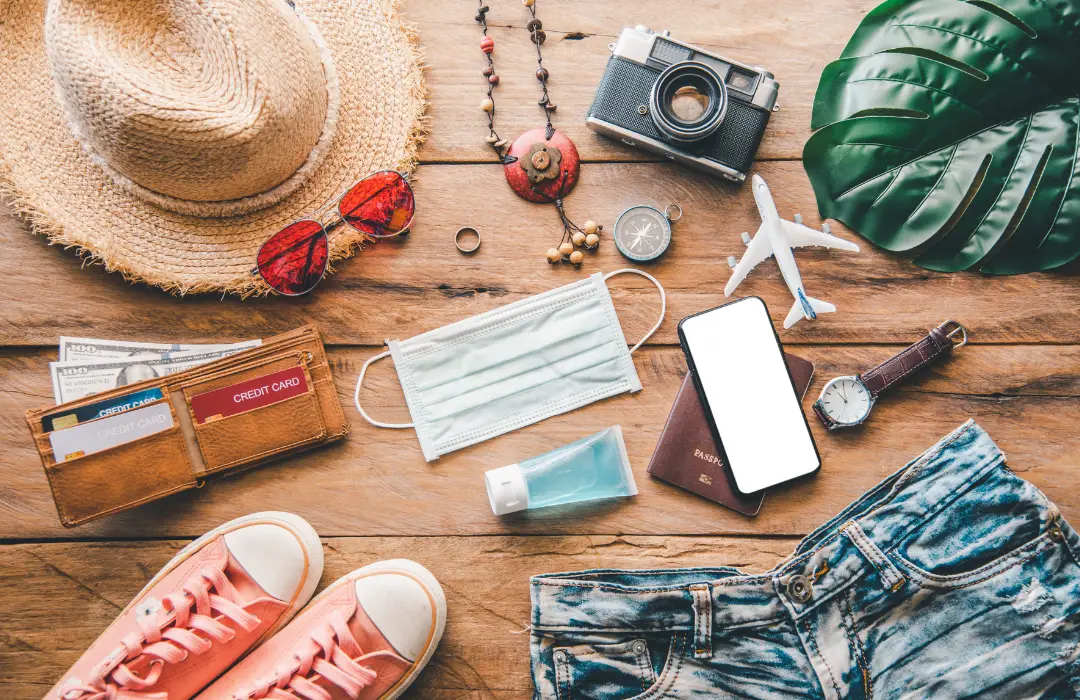
Let’s open up a world of adventure and discovery. As you prepare for your journey, it’s crucial to keep your health in mind. With insights from Dr. Sarah Borwein, (Travel Medicine practitioner and GP), we’ve crafted a guide to help you stay safe and healthy on the road. From essential vaccinations to must-have medications and first aid kit items, these tips will ensure you’re well-equipped for your travels. Let’s explore how to make your trip enjoyable while prioritizing your well-being.
1. Vaccinations
Before traveling, ensure you are up-to-date on all recommended vaccinations. Key vaccines to consider include:
Hepatitis A: Recommended for all travelers, especially those visiting rural areas or consuming local food and water.
Hepatitis B: Strongly advised for travelers who may have contact with blood or body fluids.
Typhoid: Recommended for most destinations in Asia aside from big cities.
Japanese Encephalitis: Consider for travelers spending extended time in rural areas.
Rabies: Important for those at risk of animal bites, particularly if visiting rural regions.
Yellow Fever: If traveling to certain parts of subSaharan Africa or South America. In some countries, this vaccine is mandatory for entry.
It is also important to make sure your routine vaccines are up to date, including tetanus, measles, influenza and COVID. Consult with your healthcare provider or a travel clinic at least a month before departure to receive any necessary vaccinations.
2. Medications
In addition to vaccines, it’s crucial to pack essential medications. Consider the following:
Prescription Medications: Bring enough for the duration of your trip, plus extra in case of delays. Always carry medications in their original packaging and keep them in your carry-on luggage.
Antimalarial Drugs: If traveling to areas with malaria risk, consult your doctor about the appropriate prophylactic medication.
Altitude Sickness Medications: If travelling to high altitude (> 3000m), consult your doctor about appropriate preventive medications for altitude sickness
Other Medications: Pack medications for common ailments such as pain relief (see First Aid Kit). In some cases, your doctor may recommend travelling with antibiotics for self-treatment of traveler’s diarrhea or urinary tract infection.
Insect repellent: Especially if you are travelling to an area where malaria, Dengue or other mosquito borne diseases occur, proper insect repellent (30% DEET or 20% Picardin) is essential. Remember that malaria mosquitoes tend to bite from dusk til dawn, while Dengue mosquitoes bite during the day.
3. First Aid Kit Essentials
A well-stocked first aid kit is essential for any traveler. The contents may vary depending on your destination, but generally should include the following items:
Adhesive Bandages: For minor cuts and scrapes.
Antiseptic Wipes or Solution: To clean wounds and prevent infection.
Gauze and Adhesive Tape: For larger wounds.
Tweezers: For removing splinters or ticks.
Small scissors and safety pins
Disposable gloves
Face masks
Hydrocortisone Cream: For itching and inflammation.
Antibiotic ointment
Pain Relievers: Such as ibuprofen or acetaminophen.
Antihistamines: For allergic reactions.
Motion sickness medication: eg. Gravol
Antacids: eg. Gaviscon tablets, for indigestion
Thermometer: To monitor for fever.
Oral rehydration sachets: To prevent dehydration from diarrhea or vomiting
A tensor bandage: for sprains and strains
An instant cold pack: For minor injuries, to reduce swelling and bruising
A multi-virus self-testing kit: for influenza, COVID and other viruses (when you are travelling and develop flu-like symptoms, it is nice to know it’s Influenza and not, for example, Dengue)
Travel-Sized First Aid Manual: For guidance on handling medical emergencies.
4. Prevention of DVT
Also remember that long air flights and prolonged sitting carry a risk of deep venous thrombosis, or blood clots, especially in pregnant women or people who have previously suffered from one. To prevent DVT, stay hydrated on long flights, get up and walk around, wear compression socks, and limit alcohol intake. If you develop leg pain, shortness of breath or chest pain after a long flight, visit a doctor promptly.
5. Insurance
Travel insurance is an essential part of travel preparation. It provides coverage for unexpected medical expenses, emergency evacuation, and trip disruptions. Travelers should choose a policy that includes medical care, coverage for pre-existing conditions, and evacuation services—particularly when visiting remote or under-resourced areas. If travelling while pregnant, it is also important to check for coverage related to pregnancy and childbirth, Always carry a copy of the policy and emergency contact details while traveling.
For the latest health information and travel advisories before you traveling, refer to the Hong Kong Centre for Health Protection and the World Health Organization (WHO). These sources provide up-to-date guidance on health risks and recommended vaccinations based on your travel destination. Always consult a healthcare professional for personalized advice tailored to your travel itinerary.
By following these health tips, you can ensure a safer and more enjoyable journey. Safe travels!

Written by
Amelie Dionne-Charest
Co-Founder & CEO


Need some help?
We’re here to provide support and assistance.