Hydration Science: Beyond Water—Understanding Electrolytes and Heat Exhaustion in Summer
Water isn't enough in extreme heat. Discover the science of electrolytes, how to prevent hyponatremia, and the signs of heat exhaustion.
Reviewed by a licensed advisor
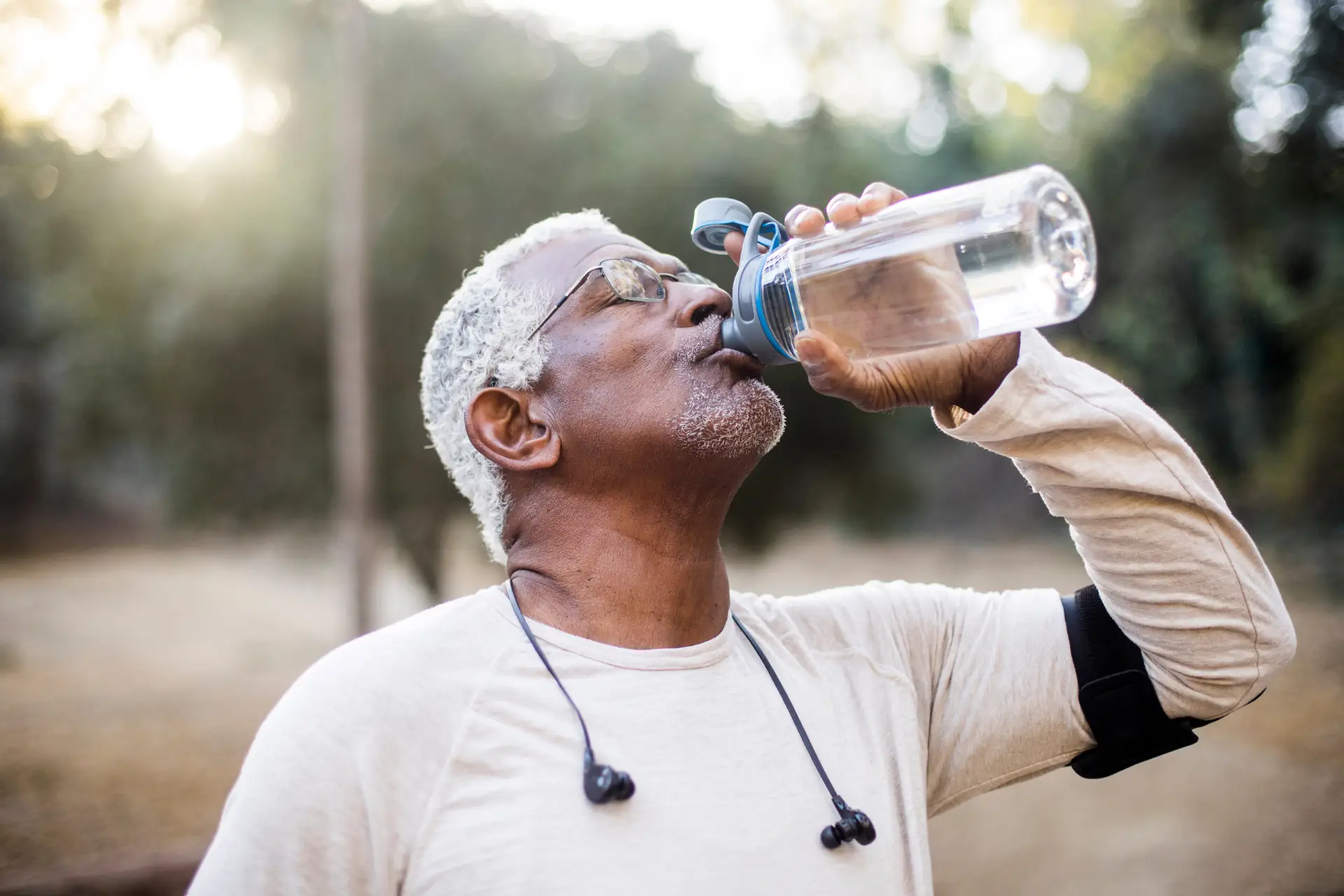
July marks the peak of summer across the Northern Hemisphere. As temperatures climb globally, millions of people face the combined challenge of high heat and intense humidity. While standard health advice usually tells us to "drink more water," modern clinical guidelines emphasize that extreme heat requires a much more sophisticated strategy. When it comes to preventing heat-related illnesses, hydration is about chemistry, not just volume.
1. The Cellular Reality of Sweating
To understand why plain water is insufficient during severe heat waves, we have to look at what the body loses. Sweat is not purely water; it is a complex fluid containing essential minerals known as electrolytes, primarily sodium, chloride, potassium, and magnesium.
These minerals act as electrical conductors in your body, regulating muscle contractions, maintaining cellular fluid balance, and ensuring proper nerve function. When you sweat heavily—whether due to outdoor exercise, physical labor, or simply walking through a humid urban heat island—you deplete your body’s sodium reserves. Replacing that fluid loss with pure water alters your internal chemistry, creating a deficit that can lead to severe physiological complications.
2. The Danger of Dilution: Understanding Hyponatremia
One of the most dangerous mistakes people make during intense summer heat is drinking excessive amounts of plain water without replenishing lost minerals. This can result in a clinical condition known as hyponatremia, or water intoxication.
When your blood’s sodium concentration falls too low due to dilution, your cells begin to absorb the excess water. On a systemic level, this causes cellular swelling, which can manifest as headaches, confusion, muscle cramps, and extreme fatigue. In severe cases, it can cause cerebral edema and neurological distress. Global health data underscores that hyponatremia is often misdiagnosed as simple dehydration because the initial symptoms look identical, leading individuals to drink even more water and inadvertently worsen the condition.
3. Recognizing the Subtle Steps Toward Heat Exhaustion
Heat exhaustion occurs when the body can no longer cool itself efficiently, causing its internal temperature to rise slightly below 40°C (104°F). Unlike a sudden medical emergency, the descent into heat exhaustion is often gradual and easy to ignore.
Early Indicators | Advanced Symptoms (Seek Medical Care) |
|---|---|
Mild, persistent headache | Dizziness or lightheadedness |
Profuse, heavy sweating | Nausea, vomiting, or loss of appetite |
Increased, rapid pulse | Muscle weakness or severe cramping |
Dark-colored urine | Fainting or fleeting loss of consciousness |
If left unchecked, heat exhaustion can rapidly transition into heatstroke, a life-threatening medical emergency characterized by a failure of the central nervous system, hot and dry skin, confusion, and a core body temperature exceeding 40°C.
4. The Rehydration Protocol
Medical organizations have updated their seasonal guidelines to emphasize targeted fluid replacement based on environmental conditions and activity duration:
The Two-Hour Rule: For standard daily activities lasting less than 60 to 90 minutes, clean water is perfectly adequate. However, if you are active in temperatures exceeding 30°C (86°F) for more than two hours, you should switch to an electrolyte solution.
Optimal Osmolarity: Look for oral rehydration solutions (ORS) or hypotonic sports drinks that utilize reduced osmolarity formulas. These formulations match the body's natural chemistry, allowing the small intestine to absorb fluids and sodium much faster than traditional hypertonic, sugar-heavy juices.
Pre-Hydration Awareness: Clinical studies demonstrate that pre-activity hydration levels strongly predict heat tolerance. Drinking 500ml of water or a light electrolyte solution two hours before heading out gives your vascular system a vital buffer against the heat.
Sources:

Written by
Amelie Dionne-Charest
Co-Founder & CEO


Need some help?
We’re here to provide support and assistance.