Children's Health in Mongolia for Expat Families: The Complete 2026 Guide
Private international hospitals in Ulaanbaatar offer high-standard pediatric care and imported vaccines, but severe winter pollution and unlisted technical fees can increase costs significantly. Because local facilities remain limited for complex pediatric emergencies, international health insurance with medical evacuation coverage is vital for expat families in Mongolia.
Reviewed by a licensed advisor
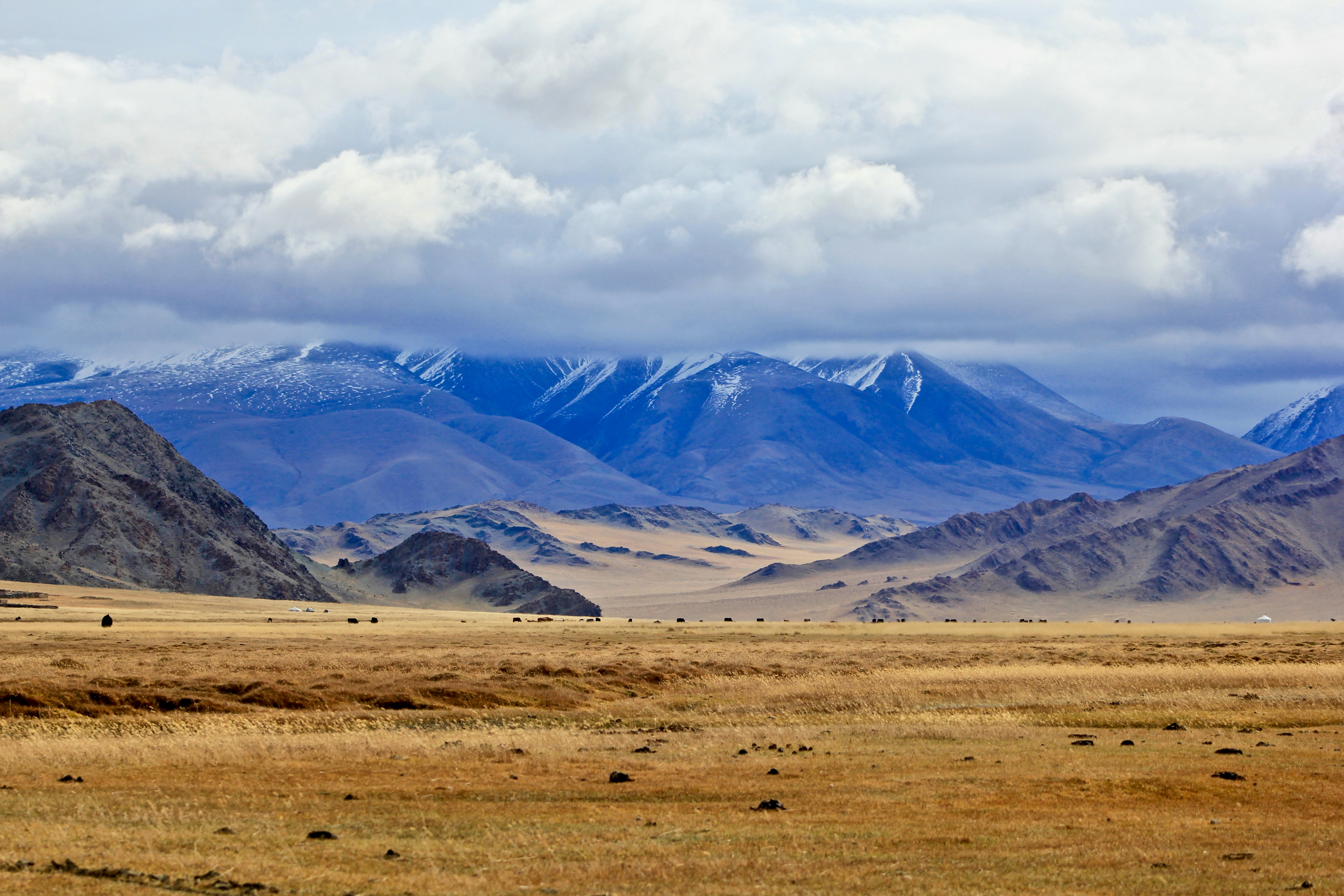
Moving to Mongolia is an unusual family adventure, with vast steppes and a nomadic culture that goes back thousands of years. For parents, though, adapting to the extreme climate and understanding the local health system are top priorities. Between the winter pollution peaks in Ulaanbaatar and the Mongolian vaccination schedule, there are many practical questions.
How do you choose between the public sector and international clinics? Which vaccines are required for school? What budget should you plan for good pediatric care in 2026? Alea, your international mobility expert, gives you everything you need for a smooth move.
1. The pediatric health system in Mongolia: How it works and your options
Mongolia has modernized its private facilities, but the gap with the public sector is still wide, especially outside the capital.
Public hospitals (Törin Emneleg)
The public system is run by the National Health Insurance (HI). The National Center for Maternal and Child Health (EHKHT) in Ulaanbaatar is the reference center for serious cases. For an expat, however, the language barrier (Mongolian/Russian) and waiting times are major obstacles.
International private hospitals and clinics
This is the choice of 98% of expat families. Facilities such as Intermed Hospital (JCI accredited) or SOS Medica offer Western standards.
Advantages: English- and French-speaking doctors, the latest equipment, digital medical records.
Disadvantages: Prices are pegged to the US dollar, which drives medical inflation for non-residents.
Where to see a pediatrician
Intermed Hospital (Ulaanbaatar): The most complete option, with a very modern pediatric department.
SOS Medica Mongolia: Preferred for routine visits and emergencies, with an approach built around expats.
Grand Med : Known for its specialists trained abroad (especially in South Korea).
2. Average cost of pediatric care in Mongolia (2026 data)
Inflation and the cost of importing medicines push prices up. Below are the average costs seen in February 2026 at the main facilities for privately insured patients.
Type of Pediatric Care | Public Sector (Estimate) | Private Sector (International Standard) | Estimated Price in Euros |
Pediatrician Visit | 35,000 MNT | 150,000 - 280,000 MNT | ~€40 - €75 |
Vaccination (per dose) | Subsidized | 110,000 - 290,000 MNT | ~€30 - €78 |
Emergency (night) | 60,000 MNT | 300,000 - 500,000 MNT | ~€80 - €135 |
Hospital Stay (per day) | 150,000 MNT | 900,000 - 1,800,000 MNT | ~€240 - €485 |
Sources: 2026 price lists from the Intermed and SOS Medica Mongolia networks.
https://sosmedica.mn/en/our-services/paediatric-service/
3. Vaccinations for children in Mongolia: The 2026 schedule
Mongolia follows a strict national immunization program (EPI), with some vaccines added for regional risks.
Vaccines required for school
To enroll your child in an international school (for example, the École Française de Mongolie), the health record must be up to date:
BCG (Tuberculosis): Given to every child at birth (high prevalence in the region).
Hepatitis B: Essential for local protection.
DTP-Polio-Hib: The combined (pentavalent) vaccine.
MMR (Measles, Mumps, Rubella): Doses at 12 months and 6 years.
Vaccines recommended by expat pediatricians
Tick-borne encephalitis: Essential if you plan trips to rural areas or stays in a ger (very active from May to August).
Hepatitis A: Strongly advised because of local eating habits.
Seasonal flu: A must from 6 months of age to get through Mongolian winters.
4. Getting the best medical follow-up in Mongolia
The Mongolian environment poses two major challenges for young children: extreme cold (down to -40°C) and air pollution.
Pollution in Ulaanbaatar: In winter, fine particle levels (PM2.5) reach very high peaks. Pediatricians recommend installing good air purifiers in children's bedrooms to help prevent asthma and chronic bronchitis.
Vitamin D: Because there is little winter sunlight, local pediatricians almost always prescribe a supplement.
Water safety: Never drink tap water. Use only purified water or water filtered by reverse osmosis, even for brushing teeth.
5. Why take out international health insurance?
A private hospital stay in Mongolia can quickly become expensive, but the biggest risk is the need for a medical evacuation.
Free choice: Go straight to international clinics without going through the overloaded public system.
Evacuation abroad: If your child has a complex condition that needs advanced surgery, they may be transferred to Seoul or Bangkok. Without international insurance, this cost (more than €30,000) is yours to pay.
CFE coverage: For French nationals, combining the CFE with a top-up plan such as Alea's gives the best reimbursement for care at Intermed or SOS Medica.
Conclusion
Moving to Mongolia with children offers a unique and enriching experience, but managing pediatric healthcare requires proactive preparation. While private international facilities in Ulaanbaatar provide excellent routine care and imported vaccines, winter health risks (extreme cold and air pollution), hidden technical fees, and imported drug costs can strain family budgets. Because local public options fall short of international expectations and complex pediatric emergencies may require specialized treatment abroad, securing comprehensive international health insurance with medical evacuation coverage to Seoul or Bangkok is essential to ensuring your child's well-being.
Where do expat families access pediatric healthcare in Ulaanbaatar?
Most expat families rely on accredited private facilities such as Intermed Hospital, SOS Medica Mongolia, or Grand Med Hospital for English-speaking pediatricians, modern equipment, and digitized health records
What specific health risks should expat children prepare for in Mongolia?
In addition to regional health considerations, children face extreme winter temperatures and high levels of fine-particle air pollution in Ulaanbaatar. Pediatricians strongly recommend using indoor air purifiers, consuming purified water, and taking daily Vitamin D supplements during winter.
Which vaccinations are recommended or required for expat children in Mongolia?
Mandatory vaccines for school enrollment include BCG (Tuberculosis), Hepatitis B, DTaP-Polio-Hib, and MMR. Expat pediatricians also strongly recommend vaccinations against Tick-Borne Encephalitis (for rural stays), Hepatitis A, and seasonal flu.
Why is medical evacuation coverage recommended for expat children in Mongolia?
While private clinics in Ulaanbaatar handle primary care and routine emergencies, local infrastructure remains limited for highly complex pediatric surgeries or specialized treatments. Medical evacuation coverage ensures safe transfer to advanced medical hubs in Seoul or Bangkok.

Written by
Amelie Dionne-Charest
Co-Founder & CEO


Need some help?
We’re here to provide support and assistance.