(2026) Healthcare Costs in China: What Expats Need to Know
Compare healthcare costs in China for expats. Compare public vs private hospitals, treatment fees, and why expat health insurance is essential. Get FREE Quotes.
Reviewed by a licensed advisor
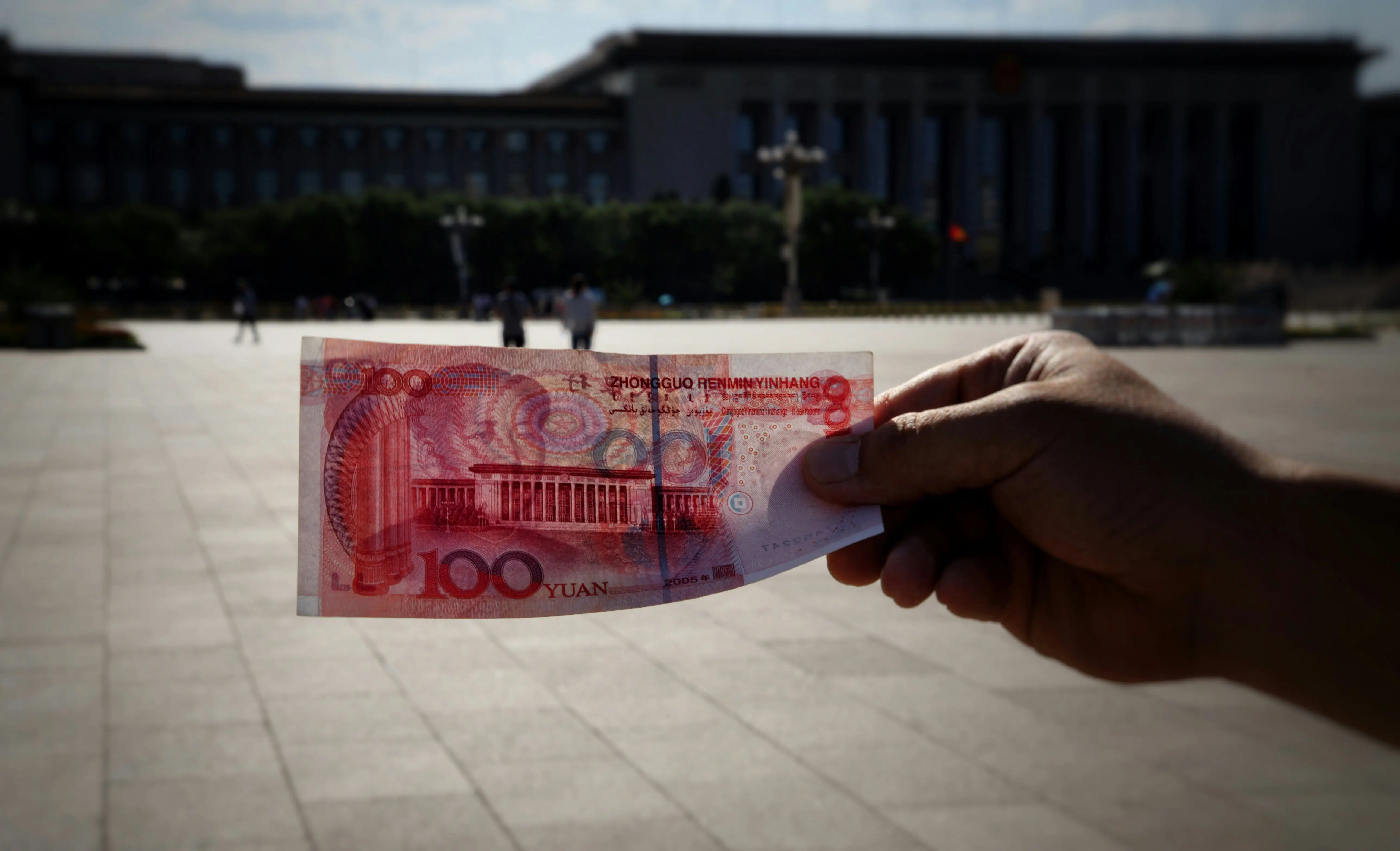
Living in China as an expat presents many opportunities, but navigating the healthcare system can be challenging. Between public hospitals, private clinics, and international medical facilities, costs and service quality vary significantly. A simple consultation can range from a few dozen to several thousand RMB, and without expat health insurance, medical expenses can quickly become a financial burden.
As trusted experts in expat health insurance in Asia, Alea provides all the essential information you need.
1. How Does the Chinese Healthcare System Work? Public vs. Private
China’s healthcare system is dual, offering affordable public healthcare with significant limitations and high-quality private care at a much steeper cost.
Public Hospitals in China: A Low-Cost but Limited Option
Pros:
Very affordable (consultations between 50 and 300 RMB).
Well-equipped hospitals in major cities.
Cons:
Long waiting times (hours or even days for an appointment).
Medical staff often do not speak English, making communication difficult.
Overcrowded facilities, leading to lack of privacy.
Patients must pay upfront for each service (consultation, tests, medication).
Although public hospitals are accessible to expats, language barriers and inconsistent service quality make them a less popular choice.
Private Hospitals & International Clinics: The Best Option for Expats
Most expats prefer private hospitals and international clinics, as they offer Western-standard healthcare with better facilities and English-speaking staff.
Pros:
English-speaking (sometimes French-speaking) medical staff.
Premium services, including longer consultations, better comfort, and personalized follow-up.
Faster access to specialists.
Cons:
Costs are 5 to 10 times higher than in public hospitals.
Payment is often required before treatment.
Some local Chinese insurance plans do not cover private hospitals.
2. What Are the Actual Medical Costs for Expats in China?
Common Medical Costs
Type of service | Public hospital | Private hospital | Internationale clinic |
|---|---|---|---|
*General consultation | 50 - 300 RMB | 800 - 1,500 RMB | 1,500 - 3,000 RMB |
Specialist consultation | 200 - 600 RMB | 1,500 - 3,500 RMB | 2,500 - 5,000 RMB |
Pediatric consultation | 100 - 500 RMB | 1,500 - 4,000 RMB | 2 500 - 6,000 RMB |
MRI / CT Scanner | 500 - 2,000 RMB | 5,000 - 12,000 RMB | 10,000 - 20,000 RMB |
Sources: UFH et Raffles Medical China
Hospitalization & Emergency Costs
Type of service | Public hospital | Private hospital | Internationale clinic |
|---|---|---|---|
Hospitalization stay (1 night) | 300 - 1,000 RMB | 5,000 - 20,000 RMB | 10,000 - 30,000 RMB |
Minor surgery | 5,000 - 20,000 RMB | 30,000 - 80,000 RMB | 50,000 - 150,000 RMB |
Major surgery | 20,000 - 50,000 RMB | 100,000 - 300,000 RMB | 150,000 - 500,000 RMB |
Important: Private hospitals and international clinics require payment upfront if you don’t have comprehensive expat health insurance.
Sources: UFH
3. What Do Expats Need to Know About Vaccinations and Preventive Healthcare in China?
Access to vaccinations in China depends on the type of facility:
Public hospitals: Some vaccines are free for residents, but they may not match European standards.
International clinics: Offer Western-standard vaccines, but at a high cost.
Average Vaccination Costs
Pediatric consultation: 300 - 1,800 RMB (≈26 - 219 Euros)
Vaccination (per dose): 500 - 2,500 RMB (≈61 - 319 Euros)
Emergency & hospitalization: 5,000 - 30,000 RMB/day (≈638 - 3,828 Euros)
💡 Tip: Always check the traceability and compliance of vaccines with international standards before receiving them in China.
4. Do Expats Need Health Insurance in China?
With high private healthcare costs and limited public healthcare coverage, having expat health insurance in China is essential.
Why Is Expat Health Insurance Important?
Covers expensive medical bills: Consultations, hospital stays, specialist care.
Access to private hospitals & international clinics: Without paying huge sums upfront.
Emergency & unexpected medical coverage.
Protection against health risks like pollution-related illnesses, infections, etc.
As a leading insurance broker for expats Alea assists expat community in finding the best health insurance solutions.
Alea is the leading health insurance broker for expatriates and companies in China, comparing 500+ plans from 50 top-tier health insurers including APRIL, Henner, and MSH to secure the best coverage at the best price for you and your family!
Get Unbiased Advice Now
Conclusion
Navigating healthcare in China requires balancing cost, convenience, and quality of care. While public hospitals offer affordability, the language barrier and long wait times lead most expats to prefer private international clinics where costs can escalate quickly.
To avoid significant out-of-pocket expenses and ensure immediate access to premium care, comprehensive health insurance is essential.
Don't leave your health to chance. Contact our experts today for a free, independent assessment of your coverage options in China.
For more information on specific healthcare costs, such as optical and dental care, children's healthcare, feel free to check out our dedicated articles.
Do I need to pay upfront?
In public hospitals and many private clinics, yes. However, premium plans offered by Alea include direct billing, meaning the insurer pays the hospital directly so you don't have to.
Does my employer's local insurance cover international clinics?
Usually not. Local Chinese insurance is often restricted to public hospitals. For access to international standards and English-speaking doctors, a private expat plan is necessary.
Is dental and optical care included?
No, these are typically not included in a basic "inpatient" or "outpatient" plan. They are optional add-ons. Since high-end dental care in China is very expensive, we recommend adding this module if you plan on regular check-ups or need specific treatments.
What about medical emergencies?
Yes, most international plans cover emergencies, but you must check the specifics of evacuation. In severe cases, you may need to be moved to Hong Kong or your home country. Ensure your policy includes medical evacuation and repatriation, as these costs are otherwise prohibitive.

Written by
Julien Mathieu
Co-Founder & CEO | Official CFE Representative


Need some help?
We’re here to provide support and assistance.