Dental and Optical Care in Australia (2026): The Complete Expat Guide
Dental and optical treatments in Australia are almost fully private, unregulated in price, and excluded from basic public healthcare like Medicare. This 2026 guide breaks down average out-of-pocket costs from fillings and crowns to eye tests and orthokeratology and explains the crucial role of "Extras" insurance coverage. It helps expats navigate local specialists, manage potential waiting periods, and avoid costly surprise medical bills.
Reviewed by a licensed advisor
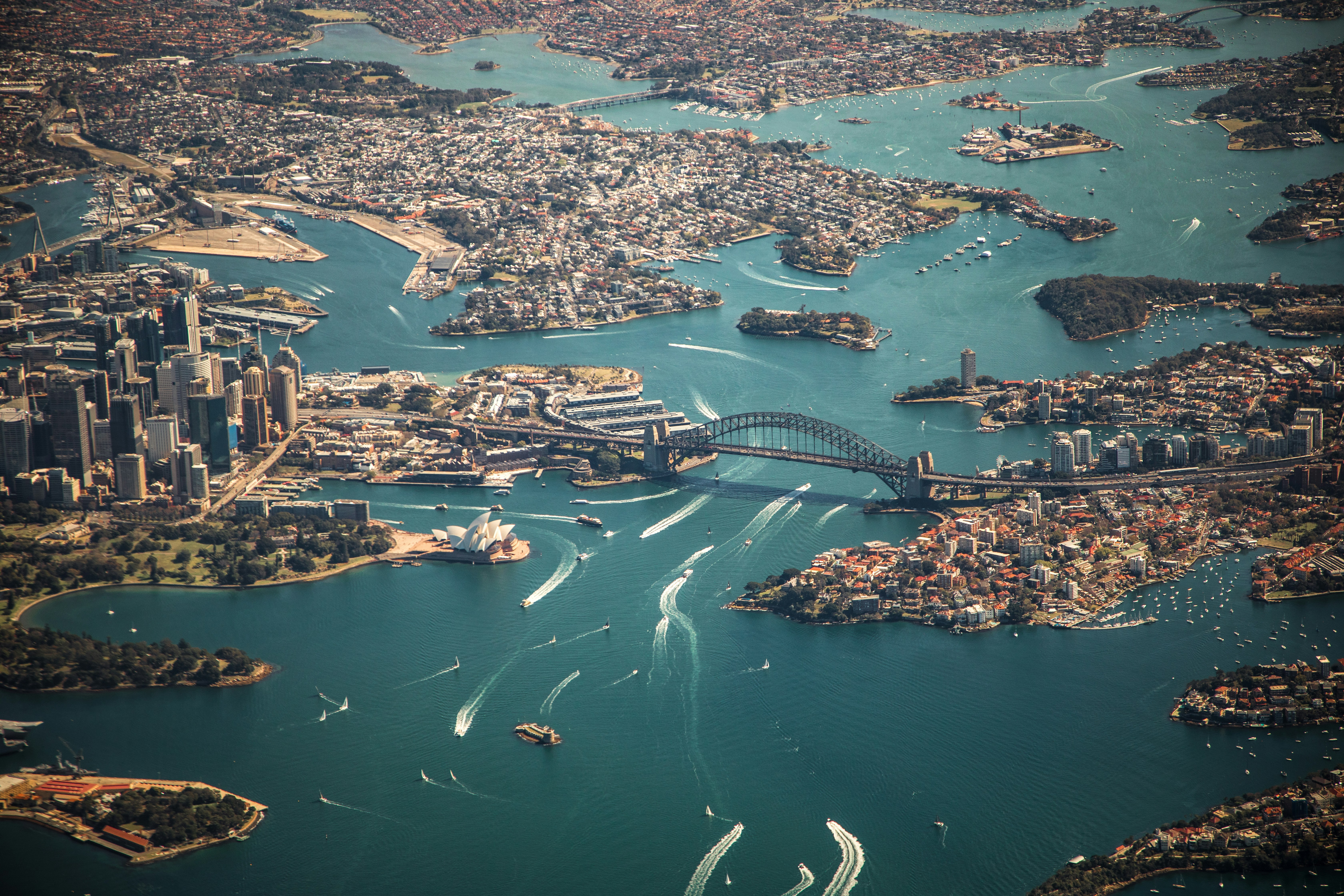
Moving to Australia means choosing an exceptional quality of life, balancing vibrant metropolises with wild nature. However, behind the postcard picture lies one of the most expensive healthcare systems in the world. While the quality of care is flawless, the bill can quickly become a hurdle for unprepared expats—especially for dental and optical care, which are often excluded from basic coverage.
Alea, an international health insurance expert and official CFE reference partner, guides you through 2026 rates to keep your health secure in Australia.
1. Dental Care in Australia: How It Works & Realities
In Australia, the dental sector is almost exclusively private. Unlike general medicine, there is no fixed national fee schedule: each clinic is free to set its own prices.
Where to Consult in Australia?
Local Private Dental Clinics: These make up the majority of providers. Very well-equipped, they offer high-quality neighborhood service.
Multidisciplinary Health Centers: Larger facilities grouping dentists, general practitioners, and specialists. Prices are sometimes more standardized here.
Specialized Clinics (Endodontics, Orthodontics): Located mainly in Sydney, Melbourne, and Brisbane, they handle complex cases at premium rates.
How Much Does Dental Care Cost in Australia in 2026?
Here are the average rates observed in major Australian cities (Sydney, Melbourne, Perth).
Dental Care Type | Average Price (AUD) | Estimated Price (EUR) |
Basic Consultation / Check-up | $80 – $180 AUD | ~€47 – €107 |
Scaling & Polishing (Cleaning) | $180 – $320 AUD | ~€111 – €197 |
Dental Filling (White Composite) | $160 – $450 AUD | ~€99 – €278 |
Dental Crown (Ceramic) | $1,300 – $4,000 AUD | ~€802 – €2,385 |
Dental Implant (Complete) | $5,500 – $11,500 AUD | ~€3,279 – €6,857 |
Root Canal Treatment | $1,100 – $2,800 AUD | ~€680 – €1,728 |
Sources: Y3 Smiles Dental | Darlinghurst Dental | Informed Dentistry
Alea Expert Tip: "In Australia, 'Bulk Billing' (full direct billing via Medicare) almost never applies to dental care. Without private insurance including 'Extras', 100% of the bill remains your responsibility. For major procedures like crowns, we always advise requesting a detailed quote with Item Codes to check your coverage level."
Children’s Dental Care and Orthodontics
Children's oral health is monitored through the school system, but care remains out-of-pocket for most expats.
Orthodontics: This is the heaviest expense. Expect to pay between $6,000 AUD and $9,500 AUD (~€3,700 to €5,800) for a full 18-to-24-month braces treatment.
Clear Aligners (Invisalign): Highly popular, prices can reach up to $12,000 AUD for complex cases.
2. Optical Care in Australia: What to Expect
Australia has one of the highest rates of myopia, shaping a highly competitive yet segmented optical market.
Where to See a Vision Specialist?
Optometrists (e.g., Specsavers, OPSM): The standard entry point. They conduct eye exams and prescribe glasses or contact lenses.
Ophthalmologists: Medical specialists consulted for severe conditions or surgery. A referral from a General Practitioner (GP) is usually required.
How Much Does Optical Care Cost in Australia in 2026?
Optical / Ophthalmologist Service | Average Price (AUD) | Estimated Price (EUR) |
Eye Test (Optometrist) | $70 – $110 AUD | ~€43 – €68 |
Ophthalmologist Consultation | $200 – $350 AUD | ~€123 – €216 |
Frames + Standard Lenses | $150 – $600 AUD | ~€93 – €370 |
Contact Lenses (Annual Supply) | $300 – $800 AUD | ~€185 – €494 |
LASIK Surgery (Per Eye) | $2,800 – $3,800 AUD | ~€1,728 – €2,345 |
Sources: Specsavers Australia | Smile.com.au
Focus on Childhood Myopia
Due to high sunlight exposure and lifestyle, early screening is standard practice. Myopia control treatments (myopia-control lenses, atropine drops) are common but rarely reimbursed by entry-level insurance policies.
Alea Expert Tip: "Watch out for waiting periods! For optical care, most insurers impose a 6-month waiting period before reimbursing your first pair of glasses. If you plan on getting new frames right after arriving in Melbourne or Sydney, arrange your coverage in advance."
3. Why Health Insurance is Essential in Australia
Even if you have access to Medicare (reserved for certain permanent resident visas or countries with Reciprocal Health Care Agreements), it covers little to no dental or optical care. For other visa holders (482, 491, etc.), private health insurance is often a mandatory visa condition (Condition 8501).
Benefits of Tailored Coverage
Reimbursement for "Extras": Unlike in many European countries, dental and optical fall into a specific category called "Extras." Quality international policies include these natively.
Private Sector Access: Bypass public hospital waitlists, which can last several months for non-urgent procedures.
CFE Continuity: For French expats, pairing insurance with the Caisse des Français de l'Étranger maintains ties with the French social security system while reimbursing at Australian rates.
Conclusion
Australia offers world-class medicine, but at costs that can strain your expat budget. A single root canal and crown can easily cost over $3,000 AUD.
Don't let unforeseen expenses disrupt your Australian journey. Alea compares top solutions from over 30 leading insurers (APRIL, MSH, Henner...) to find the best optical and dental coverage for your needs.
Does Medicare cover dental care?
No, except in rare cases (life-threatening emergencies or specific programs for low-income children). For expats, dental care is 100% private.
Are eye tests free at optometrists?
Some major chains offer "free" eye tests if you purchase glasses, but the cost is often factored into the price of the frames.
What is the difference between an optometrist and an ophthalmologist?
An optometrist handles vision correction (glasses/contacts) and basic eye health. An ophthalmologist is a medical surgeon treating eye diseases (cataracts, glaucoma).
Can I use a foreign prescription in Australia?
Generally, no. Australian optometrists require a local vision test to guarantee prescription validity under national standards.

Written by
Julien Mathieu
Co-Founder & CEO | Official CFE Representative


Need some help?
We’re here to provide support and assistance.