Healthcare Costs: Comparison Guide Between Hong Kong and Shenzhen
See how much Hong Kong private clinics and Shenzhen VIP departments charge for consultations, imaging, and dental care. Compare fees and learn when expat health insurance is needed to cover both sides of the border.
Reviewed by a licensed advisor
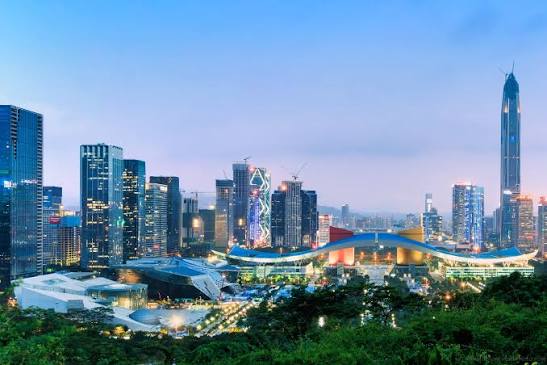
Every day, roughly 250,000 people cross the border, commuting between Shenzhen and Hong Kong. For Hong Kong residents, this border is no longer just an administrative boundary; it has become a strategic component of their lifestyle.
However, when a medical need arises, a crucial question comes up: is it better to seek treatment within Hong Kong’s vertical cityscape, or cross the border into the Mainland?
While Hong Kong has historically been renowned for its medical excellence modeled on the British system, Shenzhen has undergone a spectacular upgrade, boasting ultra-modern infrastructure. This guide highlights the differences in pricing, services, and coverage between Hong Kong and Shenzhen to help you optimize both your health and your budget.
What are Pros and Cons of Both Territories ?
Before diving into the numbers, let’s look at the healthcare ecosystems of these two metropolises.
Hong Kong: Expensive Excellence
The Pros: Doctors are internationally trained and English-speaking. Hong Kong's clinical standards rank among the highest in the world, with total transparency regarding protocols.
The Cons: Exorbitant costs (ranking as the second most expensive city in the world for healthcare after the US), a heavily saturated public sector, and often cramped clinical spaces.
Shenzhen: Affordable Modernity
The Pros: Hospitals are brand new, modern, and equipped with state-of-the-art technology. Rates are significantly lower for medical imaging and routine care.
The Cons: Language barriers persist outside of VIP/International departments. Mainland medical protocols differ at times (such as more frequent use of Traditional Chinese Medicine or antibiotics), and administrative complexity for non-residents remains a barrier to entry.
Healthcare Costs: Which is More Attractive?
Below is a comparison of average costs observed in the private sector and VIP departments of public hospitals.
Comparative Care Table (Private Sector vs. VIP/International)
Type of Care | Hong Kong (Private) | Shenzhen (VIP / International) |
|---|---|---|
GP Consultation | $500 - 1,500 HKD | $400 - 800 HKD |
MRI (1 zone) | $6,000 - 25,000 HKD | $2,500 - 4,500 HKD |
CT Scan | $4,000 - 13,000 HKD | $1,500 - 3,000 HKD |
Overnight Hospital Stay (Single Room) | $3,500 - 8,000 HKD | $1,500 - 3,500 HKD |
Routine Childbirth (3-day stay) | $20,000 - 120,000 HKD | $35,000 - 60,000 HKD |
Why is There Such a Massive Price Gap?
Medical Imaging (MRI / CT Scans)
This is where savings are most obvious. In Shenzhen, equipment is often latest-generation because the centers are newer. Many Hong Kong expats choose to undergo heavy imaging exams in Shenzhen to bypass public hospital waiting lists in Hong Kong or the prohibitive costs of the local private sector.
Childbirth: A Matter of Comfort and Culture
In Hong Kong, giving birth in a private clinic is a luxury product bundled into strict, expensive packages. In Shenzhen, international departments—such as those at the HKU-SZ Hospital offer similar amenities for a fraction of the price. However, language barriers regarding postnatal follow-ups remain a deterrent for many expat families.
Why Dental and Vision Care Drive Hong Kongers to Shenzhen
The primary reason Hong Kong residents cross the border for care lies in the price discrepancy for dental and vision services. Most inpatient (hospitalization) insurance policies exclude dental care entirely. Even outpatient policies often cap dental reimbursements at negligible amounts. Statistically, dental and vision care are the least covered treatments under standard health plans.
Dental Care
Hong Kong: A standard scaling and cleaning costs between 800 and 1,500 HKD. A single implant can reach up to 30,000 HKD. While the quality is impeccable, the cost is frequently excluded from basic insurance policies.
Shenzhen: Specialized clinics (frequently tied to major groups like Arrail Dental) offer implants for 10,000 to 15,000 HKD while maintaining international hygiene standards.
Vision Care
Hong Kong: The market is dominated by high-end boutiques. Expect to pay 3,000 to 6,000 HKD for a pair of branded frames with advanced corrective lenses.
Shenzhen: The famous Lo Wu Commercial City or specialized optical centers allow you to get high-quality glasses for 500 to 1,200 HKD.
The Takeaway: Whether for major procedures (crowns, implants), broken frames, or back-up glasses, Shenzhen is easily accessible and offers unbeatable prices.
Key Factors You Shouldn't Overlook
Finances aren't everything. Here is what you need to check before crossing the border:
Direct Billing: In Hong Kong, direct billing networks are incredibly fluid between insurers (April, Henner, Bupa, etc.) and clinics. In Shenzhen, direct billing is often limited to VIP departments or specific international clinics (like United Family).
Medication: The approved pharmacopeia in Mainland China differs from Hong Kong. Certain specific Western medications can be difficult to find in Shenzhen or may be sold under local generic names.
Liability and Malpractice: In the event of medical malpractice, legal recourse in Hong Kong follows Common Law, a system that highly protects the patient. In Mainland China, legal procedures can be more opaque.
Conclusion
Choosing between Hong Kong and Shenzhen for healthcare is no longer a question of quality, but rather how it aligns with your specific needs and insurance coverage. Hong Kong remains the choice for peace of mind and proximity, while Shenzhen stands out as a serious alternative to drastically cut costs on planned procedures (imaging, dental work, health check-ups).
Can I use my Hong Kong insurance card in Shenzhen?
Yes, provided your coverage zone includes "Greater China" or "Worldwide." Be sure to check if your insurer has a direct billing network in Shenzhen to avoid paying out of pocket.
Is the quality of care in Shenzhen genuinely comparable to Hong Kong?
In Grade 3 (Class A) public hospitals and international clinics, the technology is equivalent, if not superior. The main difference lies in the overall patient experience and communication.
In an emergency, which side should I choose?
In a life-threatening emergency, proximity is the golden rule. If you are in Shenzhen, the emergency room at HKU-SZ Hospital is excellent. If you are in Hong Kong, the public triage system is highly efficient for critical cases.

Written by
Amelie Dionne-Charest
Co-Founder & CEO


Need some help?
We’re here to provide support and assistance.