The Intensive Care Unit: Fees and Insurance Coverage for Staying In an ICU
Intensive care units (ICUs) treat patients who are critically ill or recovering from surgery. Find out how much it costs to stay at an ICU in Hong Kong.
Reviewed by a licensed advisor
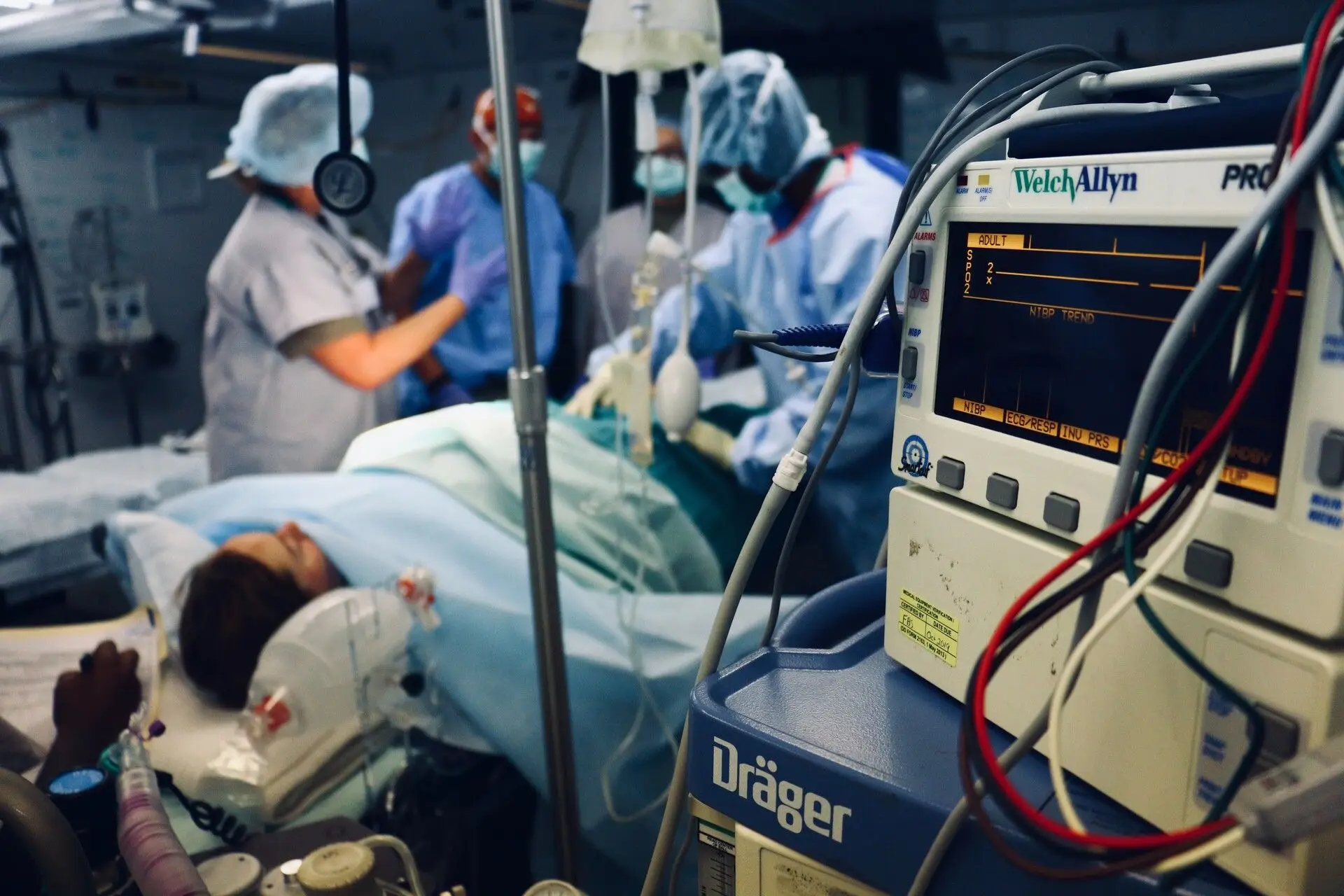
What is an intensive care unit (ICU)?
An intensive care unit (ICU) is a hospital ward dedicated to caring for, treating, and constantly and closely monitoring patients who are critically ill. They are staffed by medical personnel known as intensivists who have specialized training in intensive care medicine. In an ICU, the ratio of nursing staff to patients is high.
The ICU is sometimes referred to as the intensive treatment unit or intensive therapy unit (ITU). Other wards offering critical care include high-dependency units (HDUs) and coronary care units (CCUs).
What type of patient is put in an intensive care unit?
Here are some scenarios in which a patient might need to stay in the ICU.
They have had major surgery
They are critically ill
They have suffered from a bad fall
They have had a severe head injury
They have severe burns
They have had a stroke or heart attack
They have a serious infection like pneumonia or sepsis
These patients require intensive care and close monitoring.
What happens in an ICU?
In an ICU, a team of ICU staff uses specialized equipment to monitor ICU patients 24 hours a day. Keeping a close watch on vital body functions such as heart rate, blood oxygen level and blood pressure allows for the prevention and early detection of health complications.
In most cases, ICU patients have problems with their organs, such as the heart, lungs, or kidneys, so they rely on medical equipment to sustain their vital body functions. They might need ventilators to breathe, feeding tubes to receive nourishment, drains and catheters to remove waste fluids from their body, and IV lines to receive medication, nutrition and fluids.
How much does it cost to stay in an ICU?
Private sector ICU charges
Note that stays in private hospital ICUs also require a deposit upon admission, which can range from HK$ 20,000 to HK$ 250,000. Deposits vary depending on the hospital and whether or not you are an Eligible Person (i.e., either a holder of a Hong Kong Identity Card OR a Hong Kong resident who is 11 years old or under).
Although this article is primarily about ICUs, the costs for other wards that also provide a higher level of care are also included here for your reference. These are: high-dependency units (HDUs), coronary care units (CCUs), and special care units (SCUs).
From an insurance-claims perspective, some insurers may consider HDUs to be in the same category as ICUs. It’s best to check with your insurer to confirm coverage for your hospital accommodations.
Key: ICU = Intensive Care Unit; HDU = High-dependency Unit; CCU = Coronary Care Unit; SCU = Special Care Unit.
Hospital | Daily room rate |
|---|---|
SCU: HK$ 6,800 | |
ICU: HK$ 8,400 | |
ICU: HK$ 6,500 | |
ICU: HK$ 10,000 | |
ICU: HK$ 2,500 | |
ICU: HK$ 10,700 | |
ICU: HK$ 9,900 - HK$ 28,800 | |
HDU: HK$ 9,000 - HK$ 13,000 | |
ICU: HK$ 5,800 | |
SCU: HK$ 3,300 - HK$ 7,000 | |
ICU: HK$ 2,800 |
The information was last updated on July 30, 2024. No responsibility is accepted for any inaccuracies, errors, or omissions. It is always best to call ahead to make sure the information is still up-to-date.
All prices are expressed in Hong Kong Dollars.
Public sector ICU charges
Public sector charges for staying at the ICU can be more expensive than staying in a private hospital. The Hospital Authority lists intensive care units (ICUs) and high-dependency units (HDUs) under “Public Charges - Non-eligible Persons” and “Private Charges.”
Key: ICU = Intensive Care Unit; HDU = High-dependency Unit
Charge type | Daily room rate |
|---|---|
Private Charges | ICU: HK$ 15,350 |
Public Charges - Non-eligible Persons | ICU: HK$ 24,400 |
Insurance coverage for stays at the ICU
Health insurance ICU coverage
Health insurance covers stays in an intensive care unit, whether in the public or private sector. Local plans may have coverage sub-limits, while most comprehensive and international plans cover ICU medical care in full with no sub-limit.
Pay careful attention to your policy’s exclusions and any sub-limit in your plan. Otherwise, you might wind up with a hefty shortfall, because ICUs can be extremely expensive in both the public and private sectors.
Critical illness insurance ICU coverage
Critical illness insurance may also cover the costs of staying in an ICU. For example, if you need to stay in an ICU for some reason, your insurance provider may pay you a percentage of your sum assured according to your policy terms. Again, it’s a good idea to carefully read over your policy’s terms, exclusions and limits, or speak with your insurance broker or advisor to get clarification.
What is the difference between intensive care and critical care?
There is no difference between intensive care and critical care.
What is a neonatal intensive care unit (NICU)?
A neonatal intensive care unit (NICU) is a hospital ward specializing in caring for newborn babies, particularly babies who are born premature or with a health condition or low birth rate.
What is the difference between ICU and intensive care?
ICU stands for intensive care unit; it is the hospital ward in which intensive care is delivered. Intensive care is the specialized type of medical treatment given to patients who are critically ill or who have undergone major surgery.
How long can a patient stay in the ICU?
The length of time a patient stays in an ICU depends on the severity of their illness. This can range from a few hours to several months.

Written by
Julien Mathieu
Co-Founder & CEO | Official CFE Representative


Need some help?
We’re here to provide support and assistance.