Sports Injuries: Are They Covered by Insurance?
Find out if your health insurance covers sports and extreme sports injuries. Learn what’s included, excluded, and how to get the right coverage for active lifestyles.
Reviewed by a licensed advisor
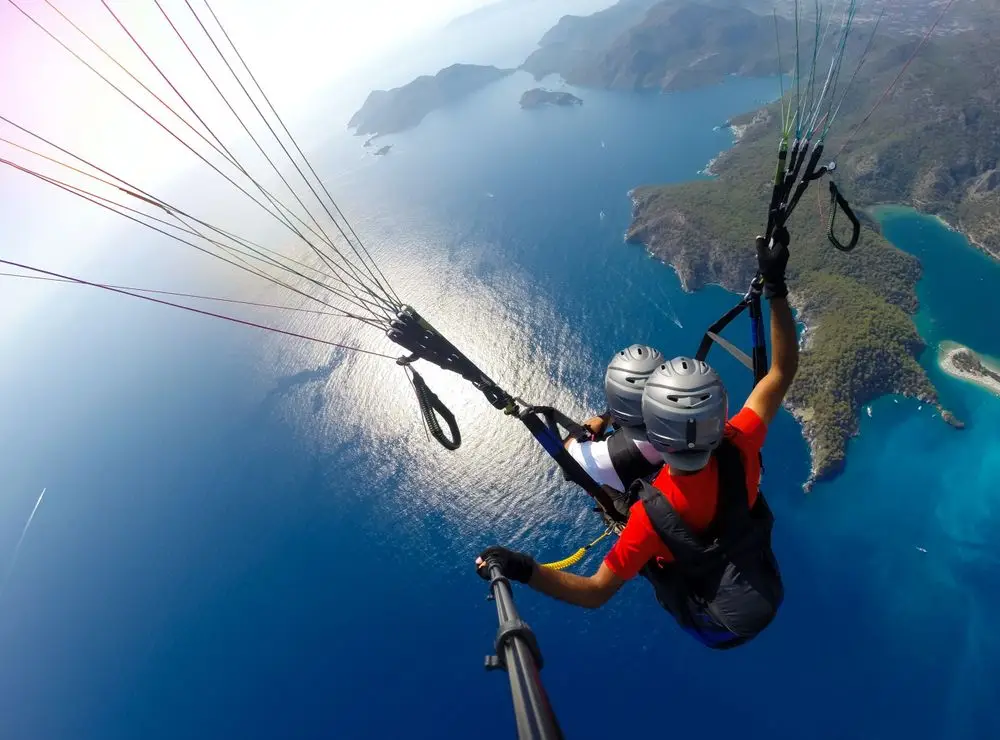
Regular exercise is a key component of good health. Fortunately, there is no shortage of sports activities for you and your family to enjoy in Hong Kong. Whether you love hiking, soccer, basketball, frisbee, dodgeball, rugby, badminton, tennis, trail running, bouldering, windsurfing, stand-up paddleboarding, or anything in between, you might be wondering: are your sports-related injuries covered by your health insurance plan?
Does health insurance cover sports injuries?
Health insurance usually covers sports-related injuries/accidents if you do not engage in a professional matter and if the sport is not considered hazardous. So if you’ve injured your shoulder during a recreational rugby match or sprained an ankle on an evening jog, your health insurance should cover treatment for those injuries.
Is physiotherapy covered by health insurance?
Physiotherapy, which can have a role to play in rehabilitation after a sports injury, is usually covered by health insurance plans under inpatient and outpatient care. Note, however, that your insurance provider may require a referral for physiotherapy from a medical doctor for your reimbursement, particularly if you are to undergo a series of physiotherapy treatments.
Be aware of limitations on your coverage for physiotherapy. Carefully read your policy documents to find out: What is the maximum number of sessions per year? What is the maximum overall amount per year? What is the maximum amount per session?
Does health insurance cover injuries from extreme sports?
Generally, standard health insurance plans don’t cover injuries arising from extreme sports and hazardous activities. At present, individual plans from Bupa Global appear to be the only plans that do not have any exclusions on sports activities.
Each insurer has its own way of classifying hazardous activities, so be sure to look carefully at your policy documents to see if yours is covered. Sports that may be considered hazardous by your insurer (and therefore excluded from coverage) include motosports, off-piste skiing, free-climbing, bungee jumping and scuba diving.
Moreover, some insurers cover extreme sports under very specific conditions. Take scuba diving as an example. Some insurers do not cover scuba diving at all. Others cover scuba diving up to a depth of 30 meters – provided that you are accompanied by a PADI instructor or you hold the appropriate PADI qualification.
If you’re confused about your coverage, check the terms and conditions of your policy or contact your health insurance advisor, who can help provide you with the information you need and answer your questions.
Sports-related exclusions in health insurance plans
Below is a list of medical insurance providers Alea works with and their sports-related exclusions.
Allianz Care
Exclusions as listed in the Benefit Guide:
Active participation in extreme or professional sports including but not limited to:
Mountain sports such as abseiling, mountaineering and racing of any kind (except for racing on foot).
Snow sports such as bobsleigh, luge, mountaineering, skeleton, skiing off-piste and snowboarding off-piste.
Equestrian sports such as hunting on horseback, horse jumping, polo, steeple chasing or horse-racing of any kind.
Water sports such as potholing (solo caving) or cave diving, scuba diving to a depth of more than 10 metres, high diving, white water rafting and canyoning.
Car and motorcycle sports such as motorcycle riding and quad biking.
Combative sports.
Air sports such as flying with a microlight, ballooning, hang gliding, paragliding, parascending and parachute jumping.
Various other sports such as bungee jumping.
April MyHealth
Exclusions as listed in the MyHealth Individual Medical Plans: Policy Terms and Conditions:
Injury related to participation in professional sports on a full time or part time basis; disability as a result of participation in mountaineering or trekking above 3,000 metres; caving or potholing; downhill off-piste skiing; motor sports on land; boating in vessels designed to travel at 30 knots or more; scuba diving below 12 metres; aviation activities other than as a fee-paying passenger; or deliberate exposure to exceptional danger except in an effort to save human life.
Bupa
No exclusions for sports activities.
Cigna Global
Exclusions as listed in the Cigna Global Health Options Policy Rules:
Treatment which is necessary because of, or is any way connected with, any injury or sickness suffered by a beneficiary as a result of:
a) taking part in a sporting activity on a professional basis;
b) solo scuba-diving; or
c) scuba-diving at a depth of more than thirty (30) metres unless the beneficiary is appropriately qualified (namely PADI or equivalent) to scuba-dive at that depth
Now Health
Exclusions as listed on the Now Health’s Limitations and Exclusions webpage:
Hazardous sports and pursuits
We do not cover Treatment of injuries sustained from base jumping, cliff diving, flying in an unlicensed aircraft or as a learner, martial arts, free climbing, mountaineering with or without ropes, scuba diving to a depth of more than 10 metres, trekking to a height of over 2,500 metres, bungee jumping, canyoning, hang-gliding, paragliding or microlighting, parachuting, potholing, skiing off-piste or any other winter sports activity carried out off-piste.
What insurance covers extreme sports?
Personal accident insurance
If you’re looking for insurance that covers injuries from extreme sports, you may wish to consider personal accident insurance. However, these plans typically do not cover injuries from sports in which you participate in a professional capacity.
The Zurich Sporitfly Sport Protection plan covers many common sports in Hong Kong, including some extreme sports like BMX freestyle, scooters freestyle, paragliding, diving and rock climbing. This plan includes cover for treatment of cardiac arrest or coma (up to HK$ 100,000 per accident) and surgery for broken bones, torn ligaments, and ruptured tendons (up to HK$ 20,000 per accident, 3 accidents per year).
As always, you’ll want to pay close attention to the policy wording and understand the coverage amounts, limitations, and exclusions. For example, the Zurich Sportifly plan only covers injuries that occur and are treated in Hong Kong. It also does not cover any kind of dental treatment, so if you get your teeth knocked out in a rock-climbing accident, fixing them won’t be covered by this plan (though it might be covered by a health insurance plan’s emergency dental benefit).
Travel insurance
If you’re traveling abroad to hit the crags or go scuba diving, travel insurance may be another option to consider for coverage of extreme sports (again, as long as you’re participating in a non-professional manner).
The SmartTraveller Plus plan from AXA covers a wide range of extreme sports, such as scuba diving, windsurfing, snorkeling, water surfing, snowboarding, jet skiing, bungee jumping, paragliding, sky diving, parasailing, snowboarding, skiing, dog sledding, and so on.
The TravelEase Single Trip Travel Insurance plan from Chubb covers some extreme sporting activities, but be careful to check their exclusions for coverage details. White water rafting, mountaineering or trekking, skiing, and scuba diving are covered by this plan – as long as specific criteria are met. For example, mountaineering and trekking are covered provided that specialized equipment such as pickaxes are not required.
As always, you’ll want to look at the policy wording to have a clear understanding of any exclusions. Most plans have restrictions on how high above or below sea level you can go. For example, they might not cover trekking at an altitude greater than 5,000 meters above sea level, nor might they cover scuba diving at a depth greater than 3,000 meters above sea level.
Still not sure which sports insurance to get?
As long as you’re neither participating in extreme sports nor engaging in a professional capacity, your health insurance should cover treatment for sports injuries. For extreme sports, personal accident or travel insurance may be worth considering, but beware of their limitations, caps and exclusions.
If you’re still not sure which sports insurance plan is best for you, get in touch with one of Alea’s insurance advisors. We are happy to go over your options with you. Best of all, consultations are free of charge.
Do I need sports insurance?
If you are a sports enthusiast or professional or often engage in high-risk sports activities, you may need to consider getting more specific sports insurance as the regular medical insurance may not cover sports-related injuries and any accidents you have. Risky activities as defined by many insurers include: mountaineering, scuba diving, parachuting, paragliding, bungee jumping, just to name a few.
Where can I get coverage for sports-related injuries?
Despite multiple restrictions and exclusions, a number of insurance providers do offer a certain level of protection for sports-related injuries. Examples are April, Bupa, Cigna, and Now Health.
Why should I get health insurance for sports injuries?
Whether you are an outgoing adventurer or a sports enthusiast, health insurance will you extra peace of mind knowing that, touchwood, should any accidents happen, you can be secured from paying large sums of fees out of pocket for medical treatment.

Written by
Julien Mathieu
Co-Founder & CEO | Official CFE Representative


Need some help?
We’re here to provide support and assistance.